
Search Green Bay Death Records
Green Bay Death Records run through Brown County, not a city-only office, so the first step is to match the record date to the right county source. If you need a certified copy, a family history lead, or a historical index, Brown County gives Green Bay residents several ways in. The Brown County Register of Deeds handles current certificates, and the local history side of the county holds older material that can help you trace a name before you place an order. Start with the office that fits the date, then move to the archive if the record is older.
Green Bay Death Records Office
Green Bay residents use the Brown County Register of Deeds at Northern Building, Room 260, 305 E. Walnut Street, Green Bay, WI 54301. The office phone is 920-448-4470. It is the main local point for certified copies of death certificates, and it also sits inside a broader vital records system that handles birth, marriage, divorce, and domestic partnership records. That is useful if you are tracking a family line across more than one event.
The main county page at Brown County vital records explains the office's general service range. The more focused death certificate page shows the path for a death request. For Green Bay Death Records, those two pages are the best starting point because they show the office, the certificate path, and the state issuance window all in one place.
Brown County also keeps the local history side close to the public. That matters if you are looking for a name, a burial clue, or a family tie before ordering. The county's system works well when you know the city, know the county, and need a clean route to the right copy. If the death happened in Brown County after statewide issuance began, the county can often handle it directly.
Brown County's office page is also the place to check when you want the plainest path from search to copy. The service model is straightforward, and that saves time.
The city image source at greenbaywi.gov shows the local public front door for Green Bay Death Records and matches the county-backed search path.
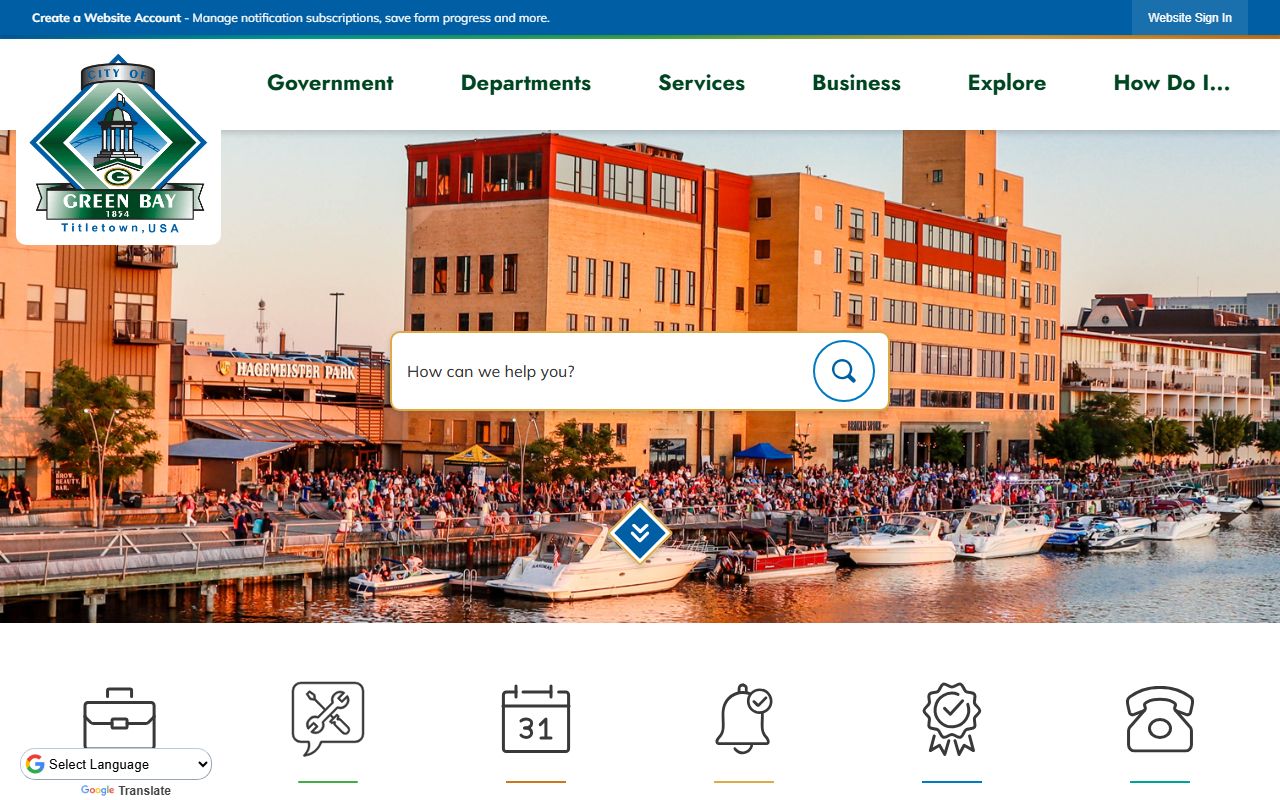
That city image reflects the local entry point for Green Bay residents who want a county-backed death record search.
For a second local view, the Brown County genealogy page at Brown County genealogy points to the county's history collections. That is where Green Bay Death Records research often gets deeper.
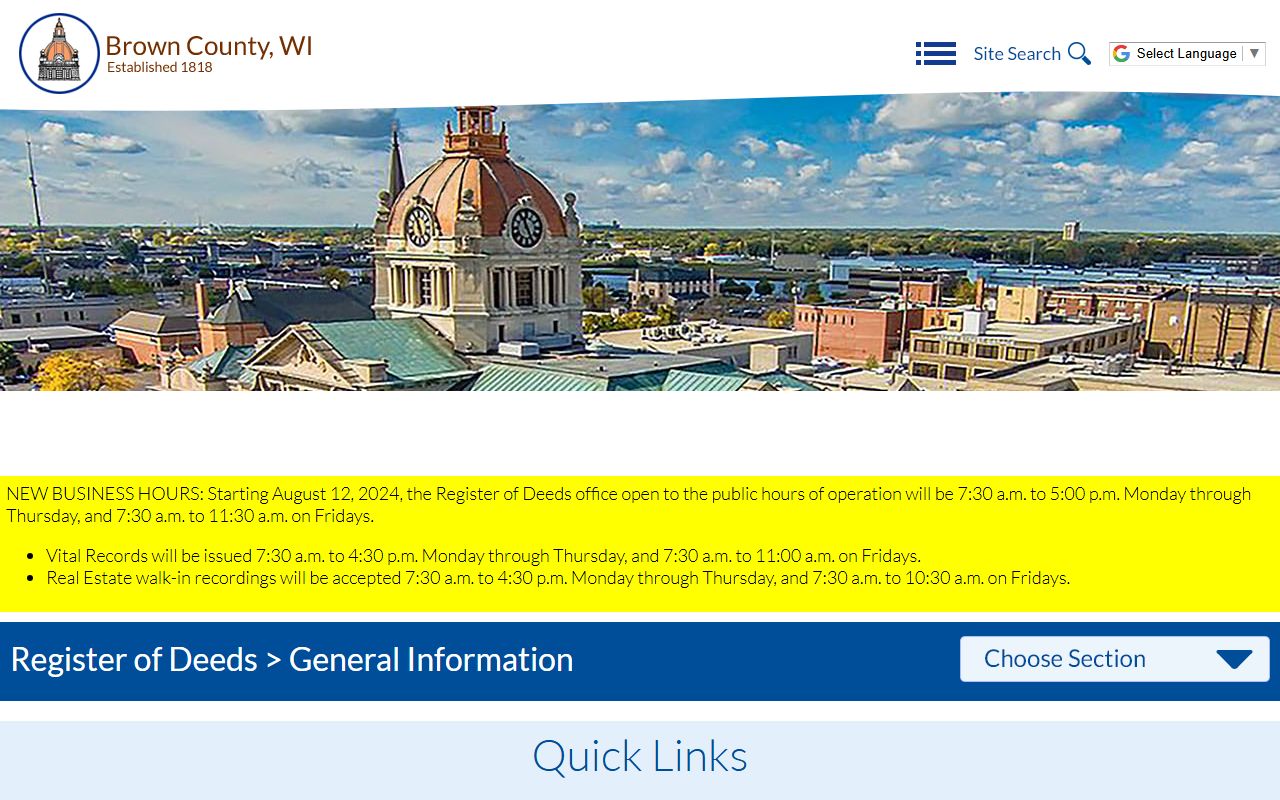
The genealogy image matches the local history role of the Brown County collections and the library-based research path.
Note: Green Bay Death Records are easiest when you decide first whether you need a fresh certified copy or an older research lead. The right answer changes the office you should call.
How to Find Green Bay Death Records
Search work is smoother when you keep the request simple. The name, the likely date of death, and the city are usually enough to start. If the record is recent, Brown County can often move it through the current certificate system. If the record is older, the county history resources and the Wisconsin Historical Society can help you narrow the search before you pay for a copy.
The state office is still important. The Wisconsin Department of Health Services Vital Records office at dhs.wisconsin.gov accepts mail, online, and phone requests through VitalChek, and that matters when you cannot use the local desk. The CDC page at cdc.gov confirms the statewide registration start date and the standard certified copy fee. That is helpful when you are trying to match a Green Bay request to the right era.
For a working search, gather these items before you call or write:
- Full name of the person on the record
- Approximate date of death
- Place of death, if you know it
- Your mailing address and phone number
- Photo ID if a certified copy is needed
Brown County also keeps related family records in the same local network. The county marriage license page at apply for a marriage license is not a death page, but it is useful when you need spouse names or family links that show up in older death records. That sort of cross-check can keep a search from going sideways.
The legal rules are simple once you know where to look. Under Wis. Stat. 69.21, the county issues certified copies only when the request fits the rule set. Under Wis. Stat. 69.18, Wisconsin death records have separate fact-of-death and extended fact-of-death data, so some copies show more detail than others.
Green Bay Death Records and History
Green Bay has a strong local history trail because Brown County keeps both modern and older record sources close together. The Brown County genealogy page points to holdings that include indexes to Green Bay Health Department marriage and death records from 1920 through August 1, 1986. It also notes about 4,400 reels of microfilm. That is not a small side collection. It is one of the real tools that makes older Green Bay Death Records easier to trace.
For broader genealogy work, the Brown County FamilySearch page at FamilySearch Brown County genealogy gives a useful county framework. It shows that Brown County death records begin in the 1830s, and it points to the Archives and Area Research Center at Cofrin Library for pre-1907 births, marriages, and deaths. When you need a paper trail before statewide registration, that source can tell you where to aim.
The Wisconsin Historical Society adds another layer. The pre-1907 guidance at CS88 helps explain how the index works, and CS1581 explains what death records may show and how to search them. Those pages are especially useful when you only know a surname and an approximate year. They keep Green Bay Death Records from turning into a blind search.
Brown County's history collection also helps when you need context, not just a copy. The library material can point to newspapers, city directories, cemetery lists, and local indexes that fill in the story around the certificate. That matters when a death record is only one piece of a larger family file.
Get Green Bay Death Records Copies
When you are ready to order, Brown County follows the standard Wisconsin fee and identity structure. The county vital records page and the WRDA fee guide at Wisconsin Register of Deeds Association both show the common first-copy and additional-copy pattern used across the state. Brown County also accepts in-person requests while you wait, which is useful if you are already in Green Bay and want the copy the same day.
Mail requests work too. The death certificate page gives the current route and explains what needs to go in the envelope. For old records, the state and county history tools may be the better first step because they can confirm the spelling, date, or place before you order. That keeps your request tight and reduces the risk of missing the record by one small detail.
Green Bay Death Records are also shaped by statewide issuance rules. For deaths from September 1, 2013 forward, any Wisconsin Register of Deeds office can issue the certificate. Older deaths often route back to the county where the death happened or to the state office, depending on the date and the request. That is why the county office, the state office, and the historical collections all remain useful at the same time.
The county office is the cleanest first stop for most Green Bay requests, but it is not the only stop. The right route depends on how old the record is and whether you need a certified copy or just a search lead.
Brown County also gives you practical in-person support. The office processes requests while you wait, and the research notes show that in-person service follows a simple payment pattern with cash, credit or debit, money order, or cashier's check. Mail requests stay more formal, so the county asks for a complete application, ID copy, and the right payment type before it moves the file.