
Search Wisconsin Death Records
Wisconsin Death Records can be searched through county offices, city health offices in limited areas, and state-level historical and vital records systems. The right starting point depends on when the death occurred and what kind of copy you need. Modern certificate requests often go through a county Register of Deeds or the Wisconsin Department of Health Services. Older Wisconsin Death Records often require a historical index search first. This page brings those paths together so you can search by place, narrow the date range, and move from an index entry to an actual certificate request without guessing.
Wisconsin Death Records Overview
Wisconsin Death Records Search Paths
Wisconsin Death Records sit in more than one place. That is the first thing to sort out. For recent deaths, the most direct route is often the Wisconsin Department of Health Services Vital Records office or the Register of Deeds office in the county where the death occurred. Wisconsin uses a broad local issuance model, so county offices remain central even when the state keeps a statewide system. In Milwaukee and West Allis, city health offices also have a role for specific death certificate issuance. That local detail matters because the same request can follow a different path depending on date, city, and record type.
The date of death changes everything. The CDC Wisconsin vital records guide and the Library of Congress Wisconsin genealogy guide both note that statewide death registration was not required until October 1, 1907. A few earlier records exist at the state level, but pre-1907 coverage is irregular. That means a modern Wisconsin Death Records request may go to a county office, while a historical search often begins with the Wisconsin Historical Society Pre-1907 vital records resource and then shifts to microfilm or a local archive.
If you are not sure where the death happened, start broad. Use county pages for local offices, city pages where municipal offices matter, and the statewide resources on this page for date-based rules. That approach keeps the search practical and avoids sending a request to the wrong office.
How To Search Wisconsin Death Records
Most searches begin with a name and an approximate year. That is enough to choose a path. If the death happened after September 1, 2013, many county Registers of Deeds can issue the certificate through statewide issuance rules described by the Wisconsin Register of Deeds Association. If the death occurred before that date, the county where the death occurred usually matters much more. If the death was before October 1, 1907, the search often starts with an index instead of a live county counter request.
The Wisconsin Historical Society search guide explains a useful method for older Wisconsin Death Records. You can search by last name, add a wildcard, and narrow by event year when the spelling is uncertain. That is especially helpful with common surnames, variant spellings, and handwritten records. Once you find the index entry, you use the volume and page details to locate the full record on microfilm or request an uncertified historical copy. This is a very different process from ordering a certified modern death certificate, so it helps to know which path you are on before you spend time filling out forms.
For city-based searches, remember that Wisconsin Death Records are still mostly county or state vital records. A city name helps you identify the right county and the right office. Madison points you to Dane County. Green Bay points you to Brown County. Milwaukee is more layered because the city health department handles some vital records directly, while county and state offices also remain important.
Good search details include the decedent's full name, date of death, city or county of death, and a possible spouse or parent name. Those extra details become more important with older Wisconsin Death Records because the indexes may return several matches.
When you need forms by county, the Wisconsin State Law Library forms directory is a practical way to locate county-issued applications without jumping through unrelated pages.
Get Wisconsin Death Records Copies
The usual statewide fee for Wisconsin Death Records is $20 for the first copy and $3 for each additional copy of the same record ordered at the same time. That fee structure appears in the Wisconsin Register of Deeds Association guidance and in the statewide references summarized by the Wisconsin Department of Health Services. The same record can be issued in different forms depending on eligibility and date. A modern request can involve a certified copy, a fact-of-death form, or an extended fact-of-death form.
Access rules come from Wisconsin Statute 69.21. That statute explains that certified copies of post-September 30, 1907 vital records are limited to people with a direct and tangible interest unless a court order applies. It also explains that older records before October 1, 1907 may be issued as uncertified copies to any requester who follows the written request process and pays the required fee. In practice, that means modern Wisconsin Death Records can involve proof of identity and relationship, while historical records are much more open.
The content of the record also changes by date. Under Wisconsin Statute 69.18, death records after August 31, 2013 are structured around fact-of-death, extended fact-of-death, and statistical-use-only sections. That is why some requesters ask for a record with cause of death and others receive a shorter version. The record you need depends on the purpose. Estate work, insurance claims, and family history do not always require the same form.
The state office also offers several ordering channels. The DHS Vital Records office accepts requests by mail and through VitalChek, and its own page notes that in-person counter service is currently closed. That makes local county offices especially important when you need walk-in access or a same-day local process.
Historic Wisconsin Death Records
Historical research in Wisconsin follows a stronger archive model than many modern certificate requests. The Wisconsin Historical Society is the main statewide hub for pre-1907 vital records, and it issues uncertified copies of many historical records. The Historical Society's guidance notes that these copies are available for purchase and that certified copies still route to the state or local registrar when that option exists. For family history work, that distinction matters because an uncertified historical copy may be all you need.
The archive network spreads out by region. Brown, Calumet, Door, Florence, Kewaunee, Manitowoc, Marinette, Menominee, Oconto, Outagamie, and Shawano records are tied to the UW-Green Bay Area Research Center through the source material. Milwaukee, Ozaukee, Sheboygan, Washington, and Waukesha historical records appear in the UW-Milwaukee Archives genealogy collection. Those archive references keep Wisconsin Death Records usable even when the original event predates full statewide compliance.
The Milwaukee Public Library vital records guide is another good example of how historical Wisconsin Death Records are organized. It lists death records on microfilm, several index ranges, and connections back to the Wisconsin Historical Society index. That local library model repeats in other parts of the state through archives, area research centers, and local history collections.
When the record is old, take notes carefully. Index entry, year, county, and volume details all matter. Historical Wisconsin Death Records are often found in stages rather than in one search screen.
Note: Pre-1907 coverage exists across Wisconsin, but completeness varies by county and by decade.
Wisconsin Death Records Details
Wisconsin Death Records can carry far more than a death date. The Wisconsin Historical Society research guide explains that older and modern death records may include birthplace, residence, burial place, spouse name, parent names, occupation, and medical details tied to the death. For family historians, those fields can bridge gaps that census entries and cemetery listings cannot fill. For legal users, the most important fields are usually identity, date of death, place of death, and the official certification details.
The medical side of Wisconsin Death Records is also structured. Statute 69.18 and the clinical guidance at Clinical Medicine & Research describe the separation between the pronouncement of death, the certifier's medical findings, and the final disposition information. That helps explain why some requesters receive a basic record while others need an extended form showing cause and manner of death. The law does not treat every copy as identical.
Beginning September 1, 2025, the statutory material also notes occupation data requirements in the state format. That detail is not what most families search for first, but it shows that Wisconsin Death Records continue to evolve and that official forms are not frozen in time.
Wisconsin Death Records Resources
A statewide search works best when you can see the agencies and reference systems that shape Wisconsin Death Records access. The images below match the strongest state and institutional sources used on this page. They are not decoration. They point to the offices, archives, statutes, and guides that explain how Wisconsin handles modern certificates and historical death records.
Start with the state office that anchors current vital records requests through Wisconsin DHS Vital Records.
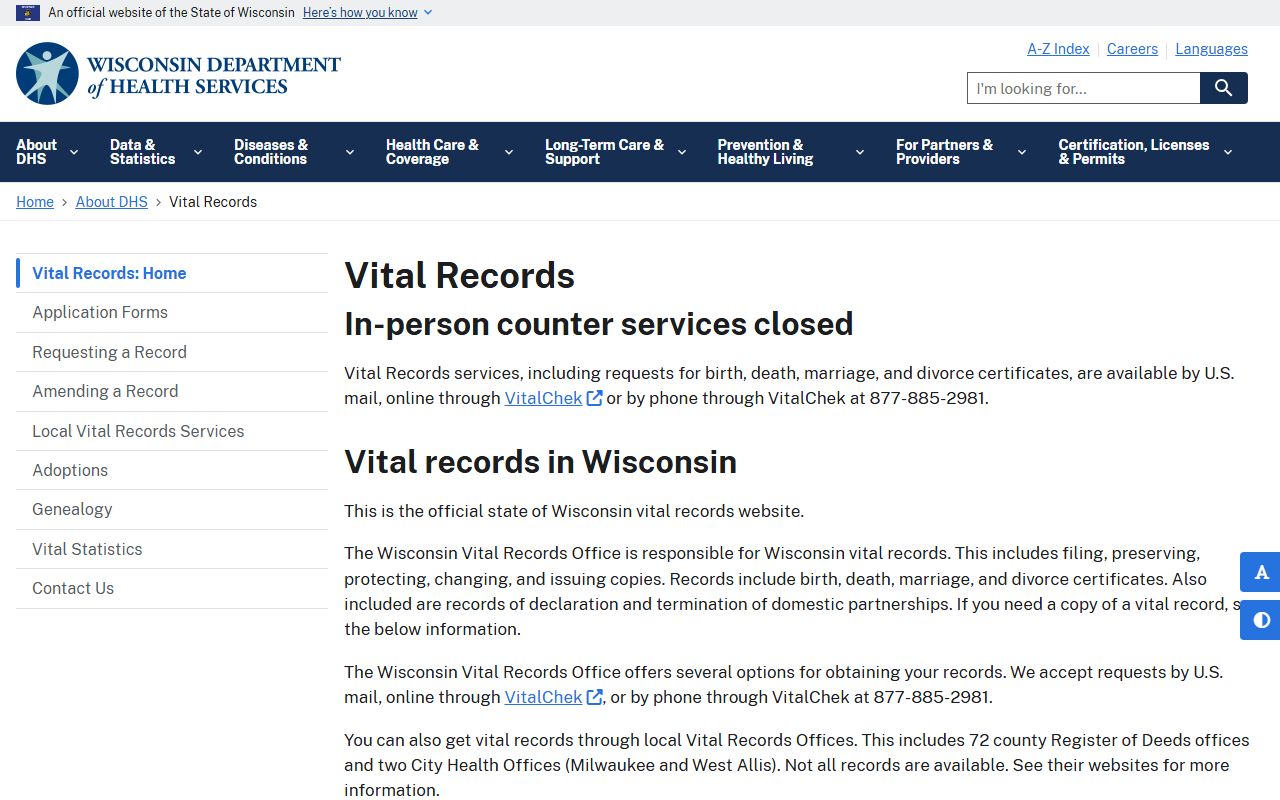
This state-level route is the fallback when a local office cannot issue the record you need.
The federal summary at CDC Where to Write for Wisconsin vital records helps confirm statewide starting dates and standard fees.
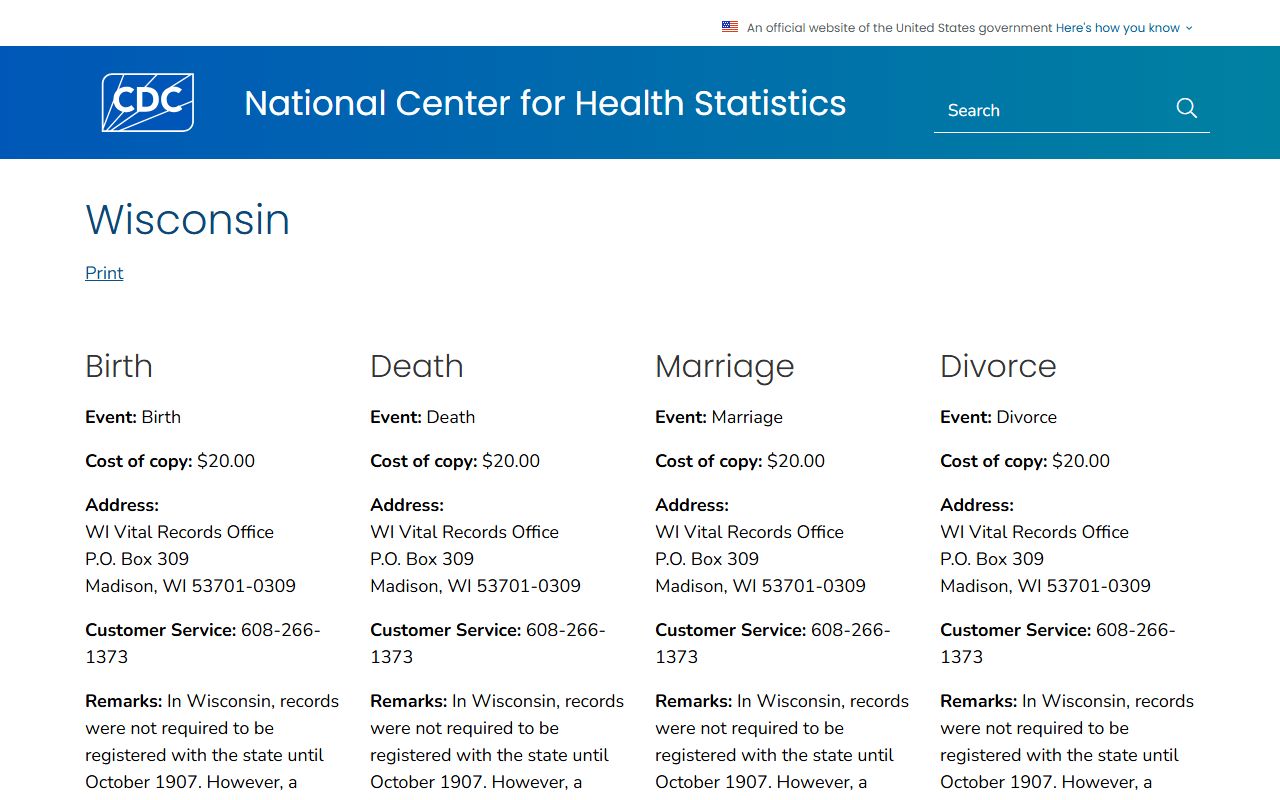
That source is especially useful when you need a quick date-based rule before choosing a county or archive.
The Library of Congress Wisconsin genealogy guide outlines county-level and state-level timelines for Wisconsin Death Records.
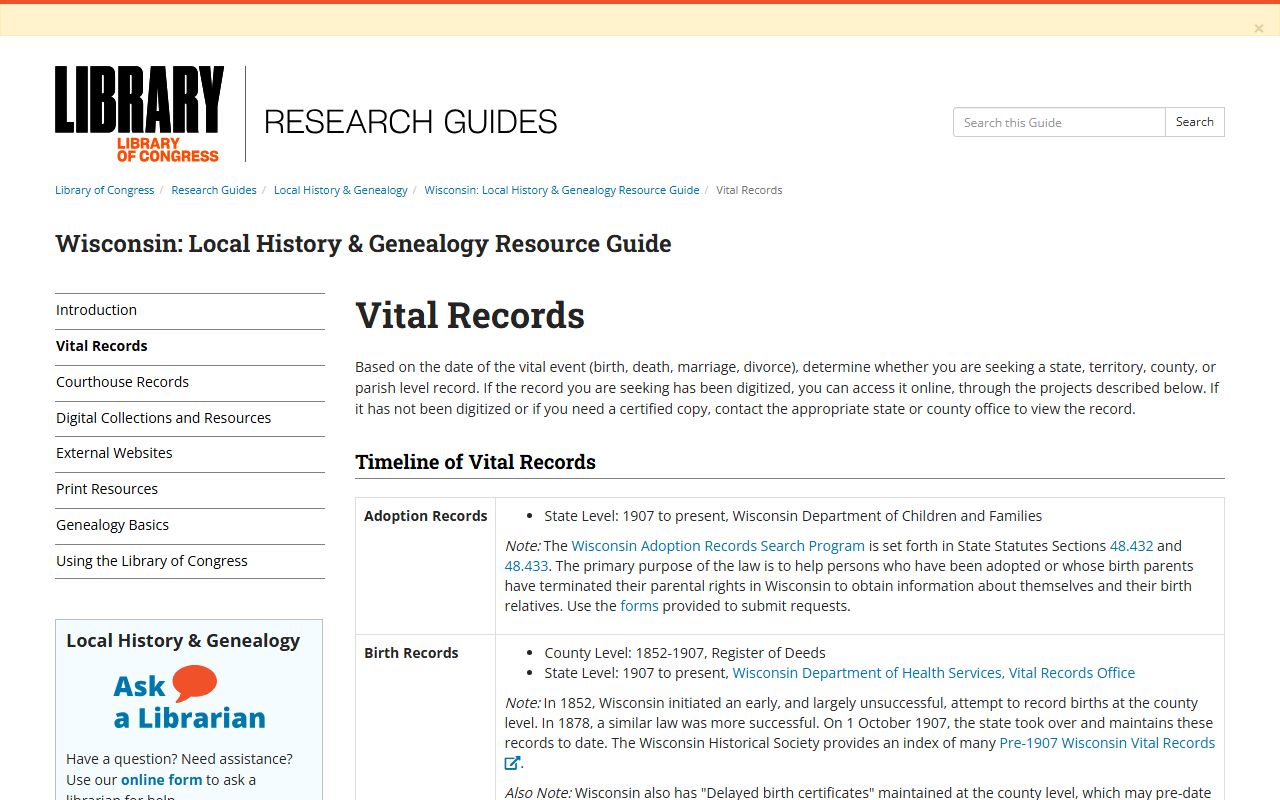
It gives useful context for the shift from uneven county recording to statewide registration.
Historical searching often turns on the Wisconsin Historical Society pre-1907 records resource.
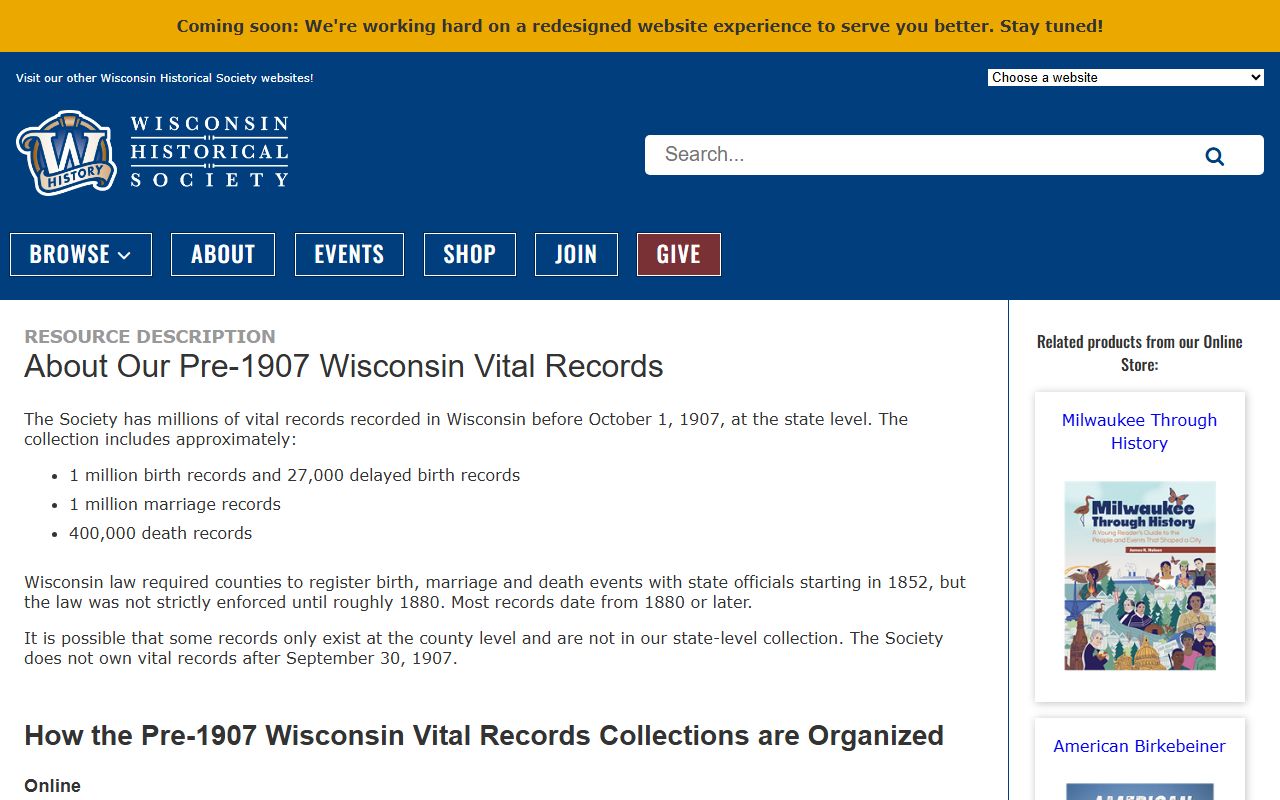
That resource is one of the clearest entry points for older Wisconsin Death Records.
The search tips at Wisconsin Historical Society death records research guide explain what a death record may show and how wildcard searches work.
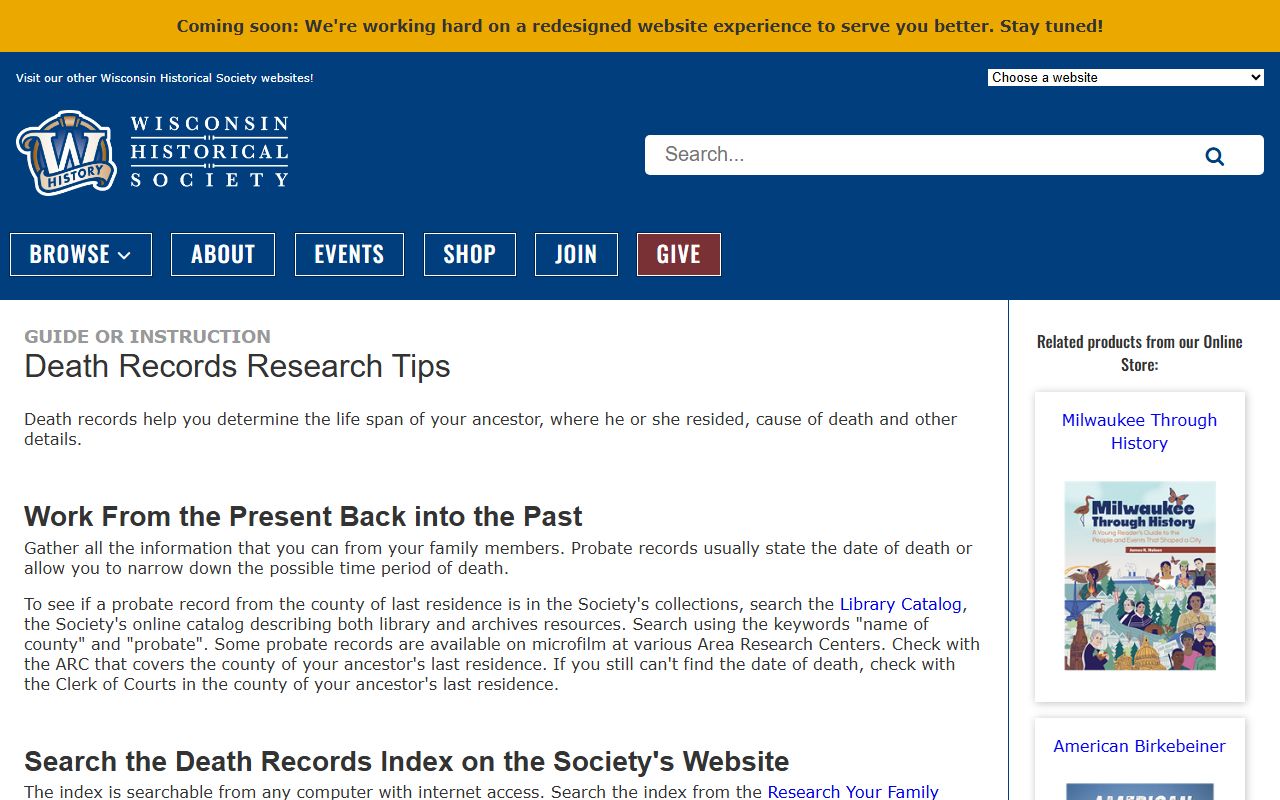
Those search methods save time when the spelling or year is uncertain.
County-issued forms can be tracked through the Wisconsin State Law Library county vital records directory.
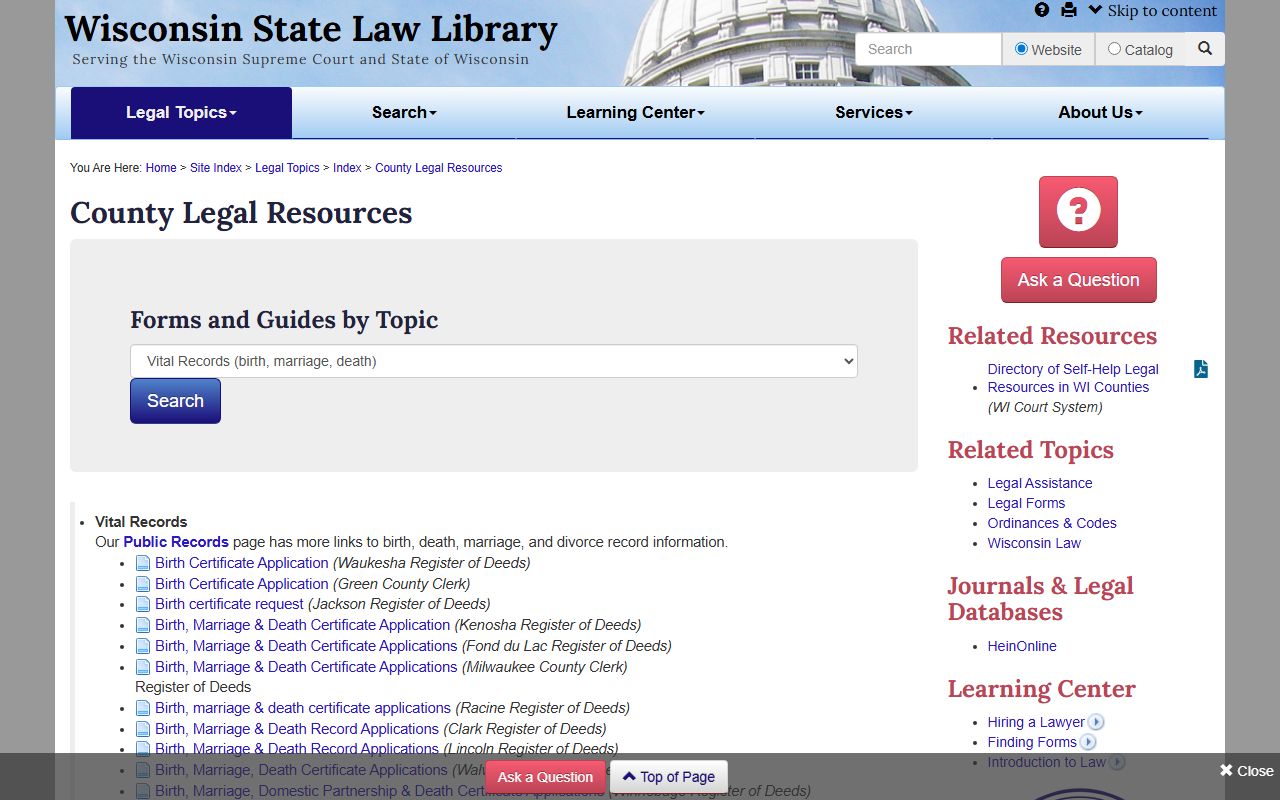
That directory is helpful when a local register posts forms in different places or updates them without a clear menu path.
The fee and county-payment overview at the Wisconsin Register of Deeds Association supports local ordering rules.
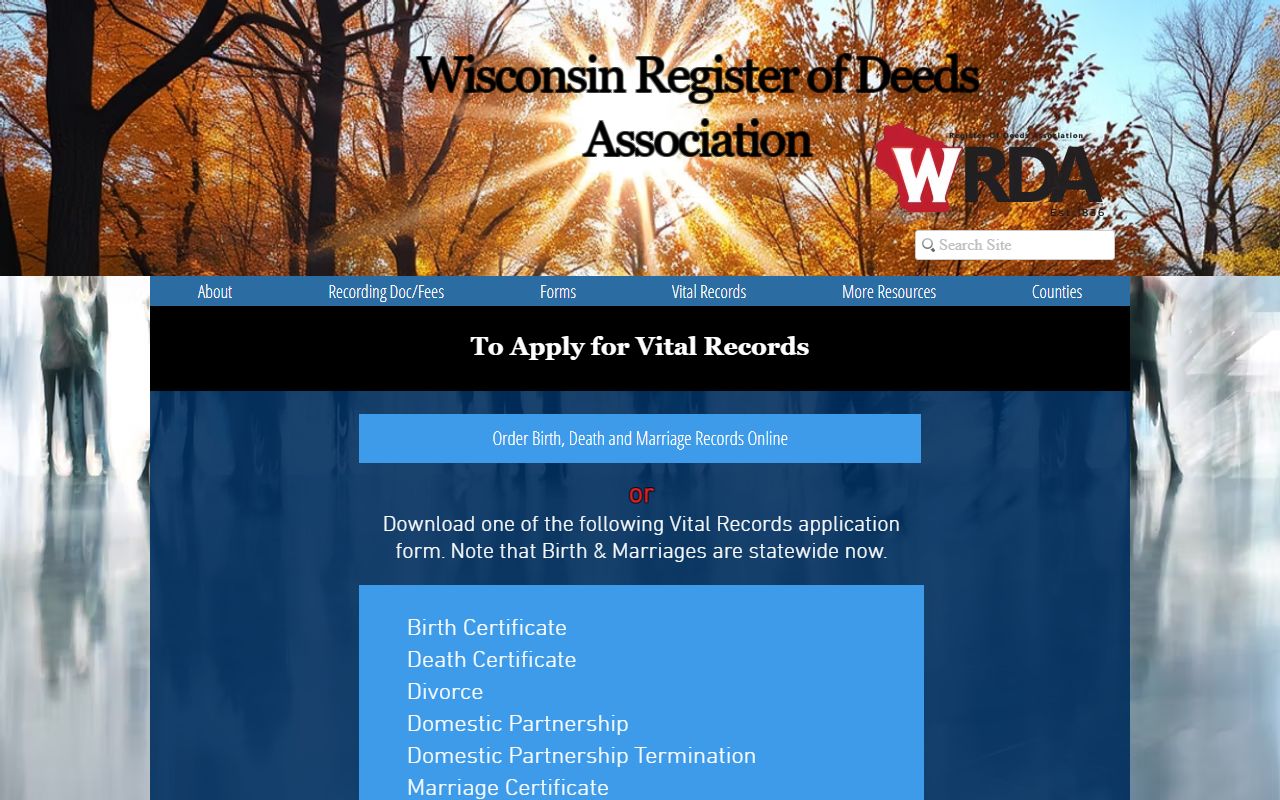
It is one of the best statewide references for copy fees and county payment methods.
The access framework for copies appears in Wisconsin Statute 69.21.
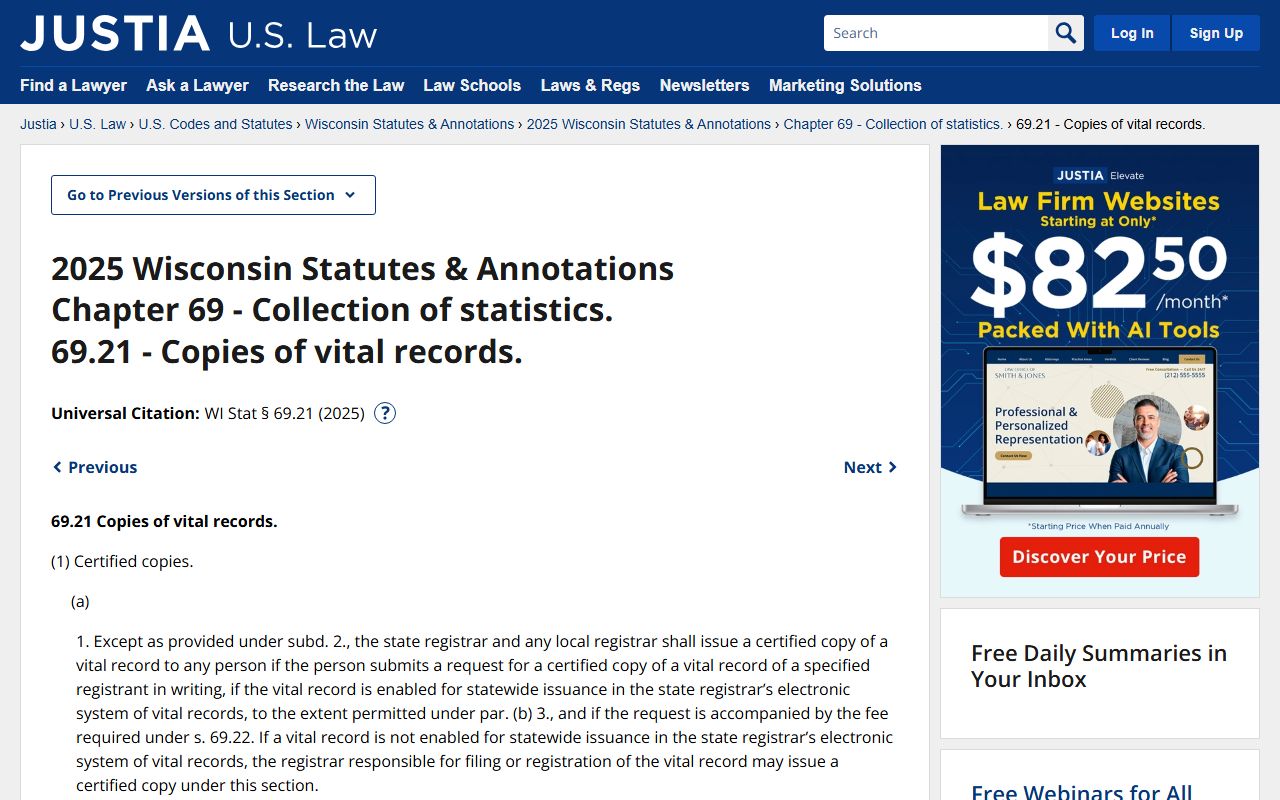
That statute explains who may receive certified copies and how pre-1907 uncertified copies differ.
The record-format rules appear in Wisconsin Statute 69.18.
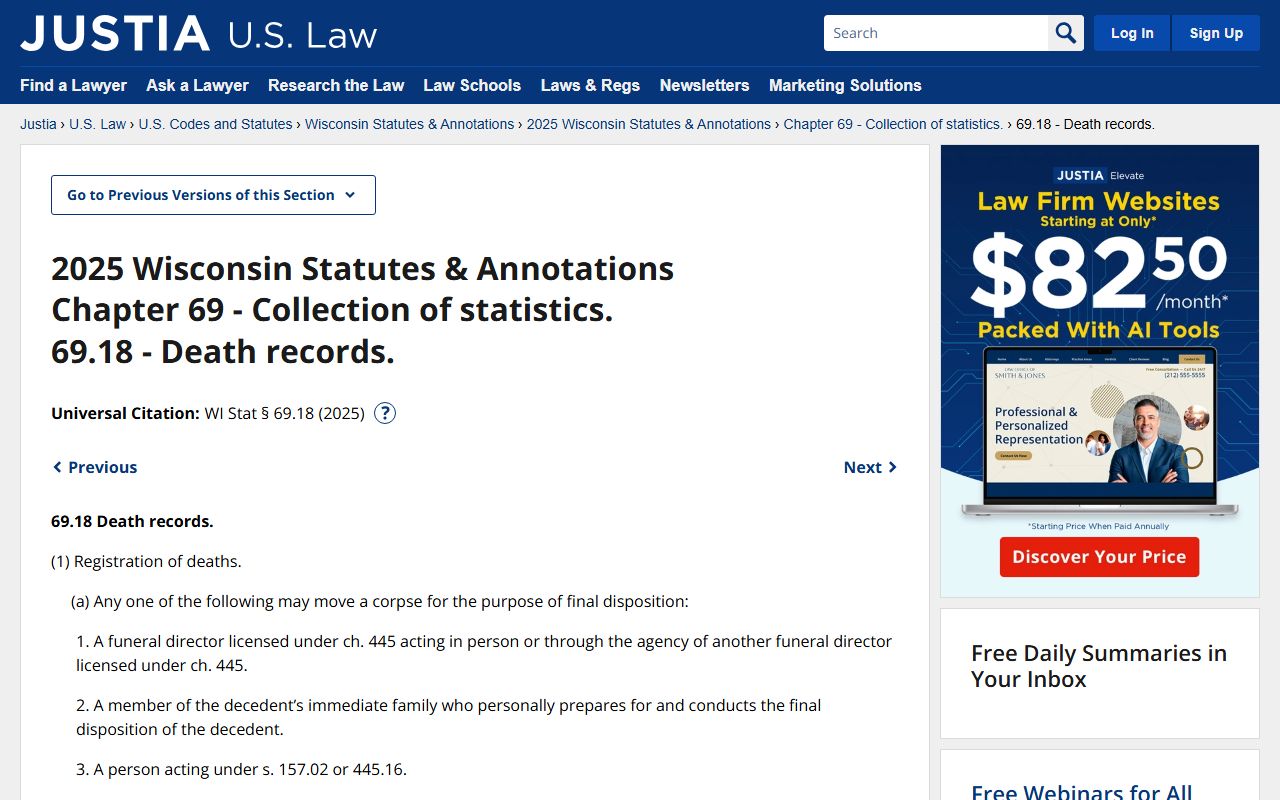
It is the clearest legal source for fact-of-death and extended fact-of-death distinctions.
The medical certification discussion at Clinical Medicine & Research shows how modern death certificate fields are completed.
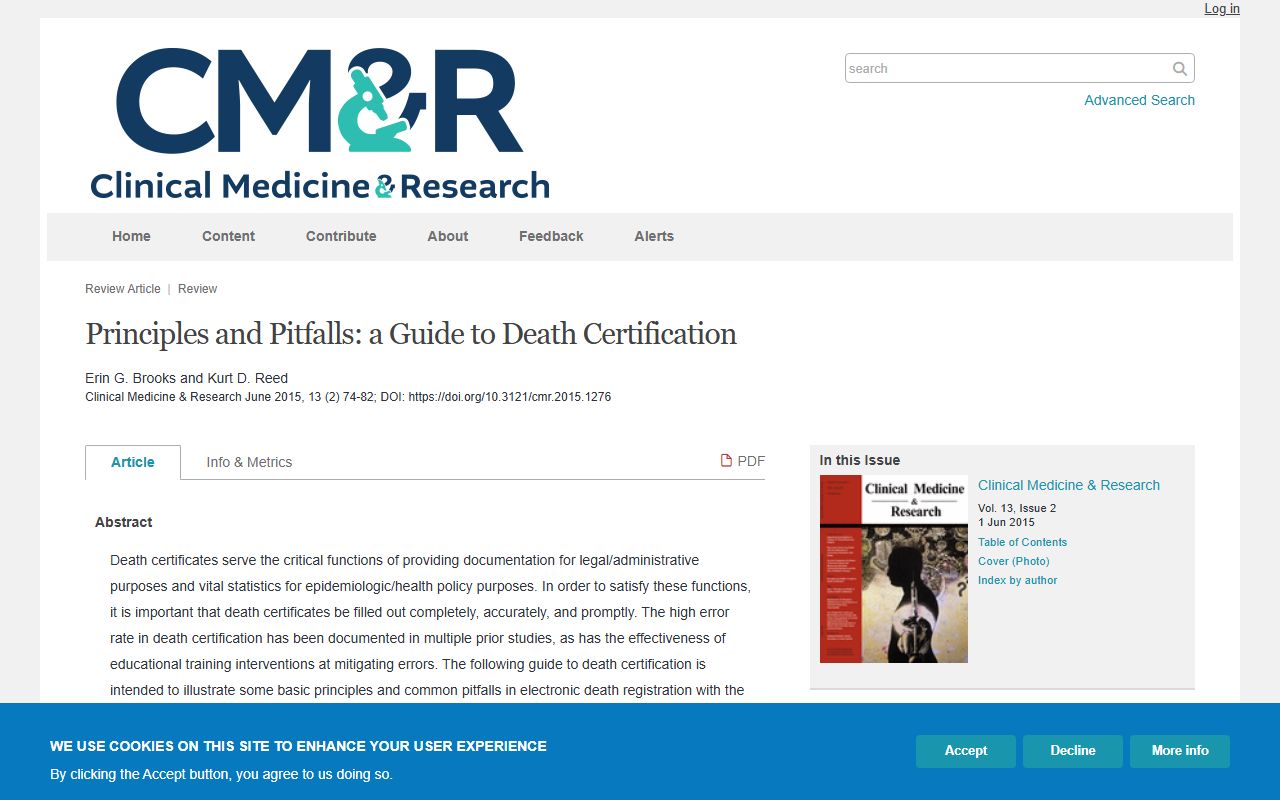
That background helps explain why cause-of-death fields are handled with more precision than a simple name index.
For southeastern Wisconsin research, the UW-Milwaukee Archives genealogy collection extends access to historical Wisconsin Death Records on microform.
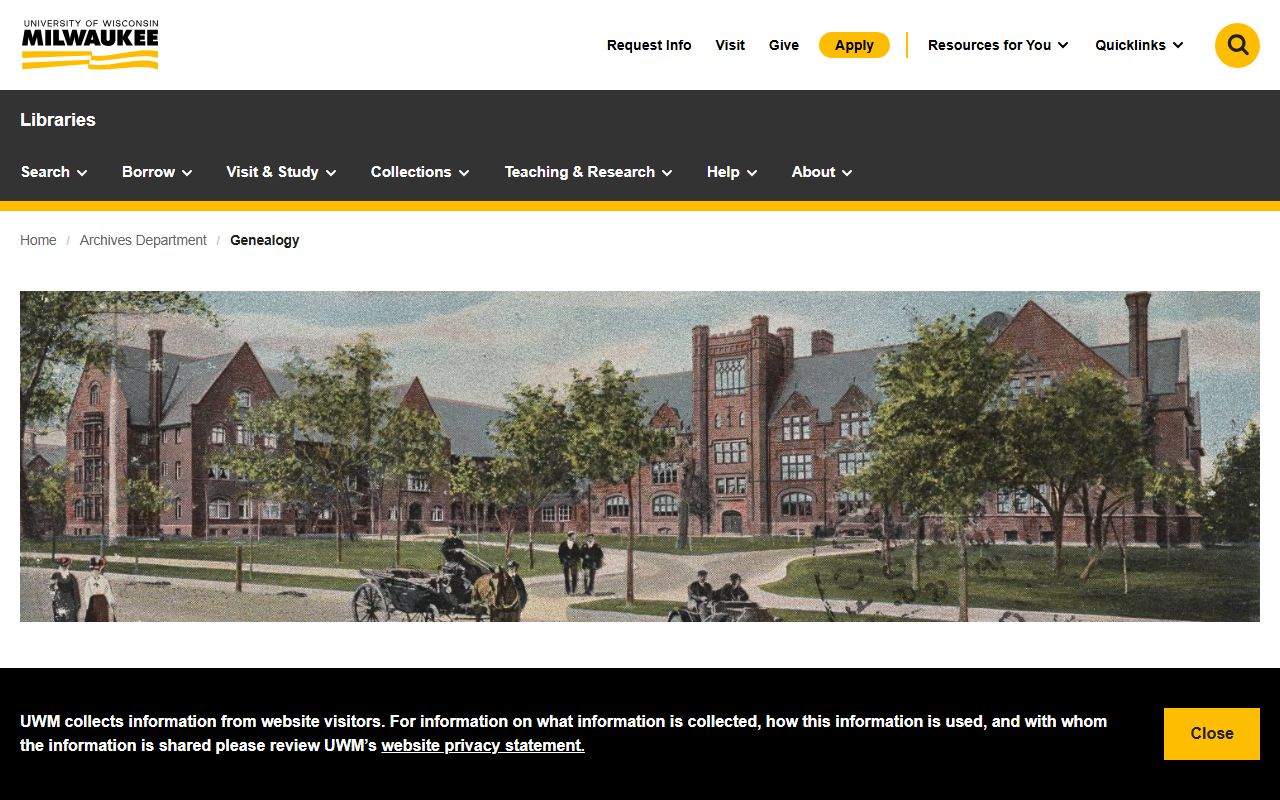
That archive is especially relevant for Milwaukee, Ozaukee, Sheboygan, Washington, and Waukesha historical records.
Search Wisconsin Death Records By Place
Once you know the county or city, the search gets easier. County pages on this site point to the office that issues local records, note whether statewide issuance helps for newer deaths, and call out any historical archive path supported by the research. City pages explain when a city name changes the request path, such as Milwaukee city health office access or Madison residents using the Dane County Register of Deeds. That local framing matters because Wisconsin Death Records are statewide in law but local in daily handling.
If your search is still broad, start with the counties page. If you already know the city, use the city page and then work back to the county office. Either way, keep the date range in mind because modern Wisconsin Death Records and pre-1907 historical records follow different systems.
Browse Wisconsin Death Records By County
Use the county pages to reach the local Register of Deeds office, compare modern certificate access with pre-1907 research options, and narrow Wisconsin Death Records by county of death.
Wisconsin Death Records In Major Cities
Use the city pages when the city name changes your search path, points to a local health office, or helps you move from a city death event to the right county or state office.