
Find La Crosse Death Records
La Crosse Death Records follow the county route, not a separate city certificate desk, so the city page is really a guide to the county office and the state fallback. That is useful because the city name is often the first clue people remember. If the death is recent, the county office is usually the fastest place to begin. If the death is older, the Wisconsin Historical Society and the state office can help narrow the record before you order a copy. The city gives you the place. The county gives you the certificate.
La Crosse Records Overview
La Crosse Death Records Office
La Crosse residents use the La Crosse County Register of Deeds for death certificates. The county issues certified copies of birth, death, and marriage certificates, so the request path is local even though the city page does not point to a separate city office. That is the key point to keep in mind. If the death happened in La Crosse County, the county office is the place that can issue the copy.
The county office page at La Crosse County government gives the official local context for county services.
The county register page at La Crosse County Register of Deeds shows the same office path from the ordering side.
The city image source at Explore La Crosse visitor information is the local image source for the page below.

That image gives the page a local city anchor, but the county office still handles the record request.
The county image source is the official local government site for the same county path.
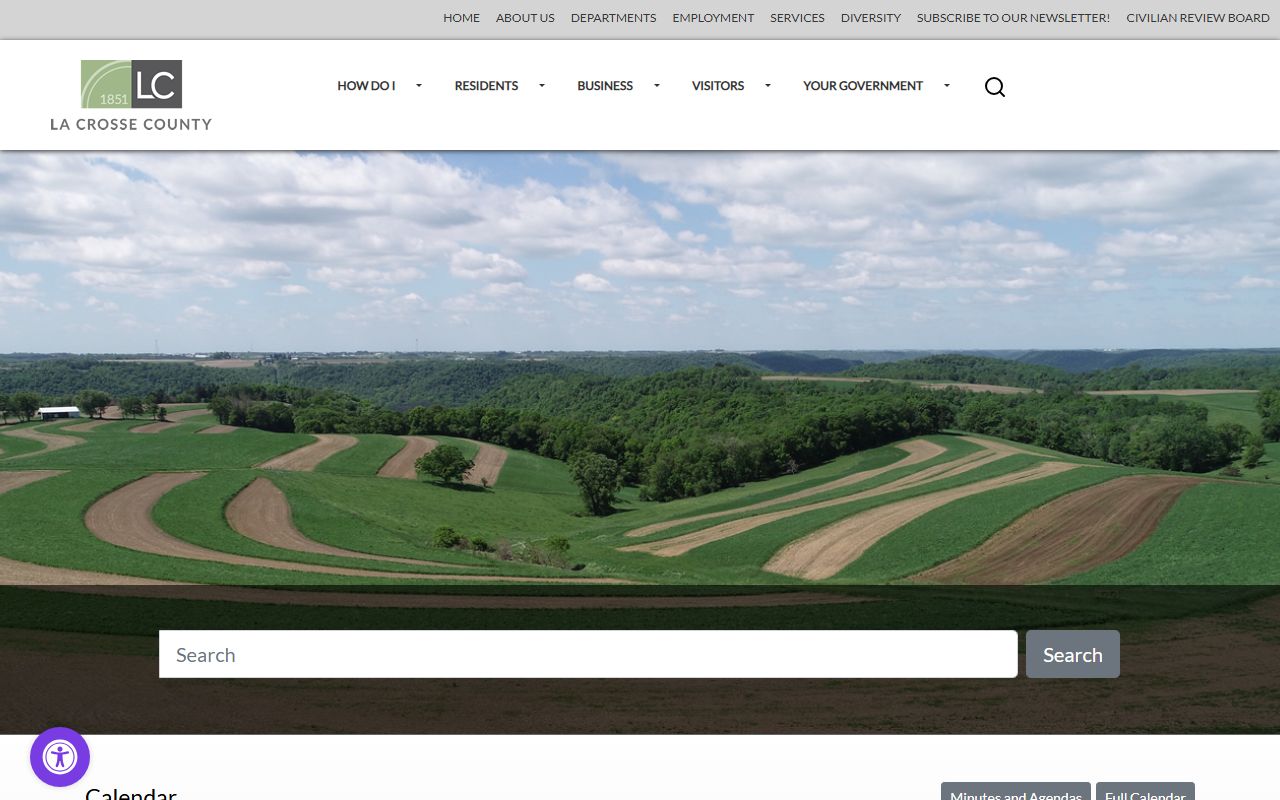
That second image keeps the page tied to the office that issues the copy when the record belongs to La Crosse County.
Note: La Crosse Death Records start with the county office even when the city name is the first clue you have.
Search La Crosse Death Records
A good La Crosse search starts with a name and a year. If the death is recent, the county office may be enough. If the death is older, the Wisconsin Historical Society pages become more useful. The pre-1907 guide at CS88 helps with older index work, and the research tips page at CS1581 explains what details may appear on a death record. That is useful when the spelling is uncertain or the date is only approximate.
The Wisconsin Department of Health Services at DHS Vital Records is the statewide fallback. It accepts mail, online, and phone requests through VitalChek, while in-person counter service is closed. The CDC Wisconsin page at CDC Wisconsin vital records confirms the 1907 statewide registration cutoff and the standard certified-copy fee. That gives you a clean line for deciding whether a La Crosse Death Records request belongs in the county office or in a historical search.
The Wisconsin Register of Deeds Association fee guide at WRDA vital records gives the standard first-copy and additional-copy pattern used across Wisconsin. That helps you budget before you order more than one copy. It also helps if you are comparing the county and state route and want to know whether a request is going to cost more than the other path.
If you are not sure where the death belongs, begin with the oldest clue you have and work forward. A spouse name, a parent name, or a burial clue can help the office and the historical sources point to the same person. That keeps the search focused and avoids the wrong request form.
- Full name of the person on the record
- Approximate year of death
- La Crosse city or county clue
- Whether you need a certified copy or a record lead
- Payment and ID details for the request
Wisconsin Statute 69.21 explains who can receive certified copies and how older records may be handled differently. Wisconsin Statute 69.18 explains the structure of the death record, including fact-of-death and extended fact-of-death information. Those rules are the legal frame behind the office counter, even when the request itself feels simple.
La Crosse Death Records History
La Crosse Death Records often need a state or historical step before the county office becomes the final stop. That is because older records can be thin and the city page does not point to a separate municipal certificate desk. The historical society pages fill that gap. They help you turn a family clue into a search plan and a search plan into the right county request.
The Wisconsin Historical Society pages are the most important older-record tools. The pre-1907 guide at CS88 helps you understand how early Wisconsin records were indexed. The research tips page at CS1581 explains what a death record may show, including names, places, family ties, and burial details. When you only have a surname or a rough year, those clues can be the difference between a hit and a blank search.
The CDC and DHS pages matter here too. The CDC Wisconsin guide confirms that statewide registration began in 1907, and DHS shows the current request paths for state vital records. That helps explain why a La Crosse search might split in two. Modern records go through the county or state office. Older records often need an index first.
The county office at La Crosse County government remains the anchor for the current county record path. Even when the record itself is old, the county office is still the place that can issue the certified copy once the record is found. That is the practical connection between the historical search and the actual document.
Note: For older La Crosse Death Records, the historical society pages are often the best first stop before a paid copy request.
Get La Crosse Copies
For a certified copy, the county Register of Deeds is the direct route. La Crosse County issues certified copies of birth, death, and marriage certificates, and the mailing rule is clear. Use a money order, certified bank check, or cashier's check when you send a vital record request by mail. That keeps the request aligned with the county's payment rule and avoids a delay that could have been prevented with the right payment from the start.
The statewide fee pattern is the same one used across Wisconsin. The Wisconsin Register of Deeds Association at WRDA vital records lists $20 for the first copy and $3 for each additional copy ordered at the same time. The CDC page matches that first-copy cost. That makes the cost easy to estimate before you decide whether to order one copy or several.
Wisconsin Statute 69.21 explains who may receive certified copies and when older records may be issued as uncertified copies. Wisconsin Statute 69.18 explains the death record format and why some copies show more detail than others. If you only need proof of death, the basic certified copy may be enough. If you need a fuller record for family history, the historical society pages can help you sort the older file first.
The county office and the state office work together in the same way they do across Wisconsin. The county handles the local copy. DHS handles the statewide fallback. The historical society handles older searches. That is the simplest way to think about La Crosse Death Records if you want the request to move without a lot of back and forth.
Note: La Crosse Death Records requests stay cleaner when the payment method and copy type are chosen before you mail or submit the form.