
Find Sheboygan Death Records
Sheboygan death records follow the county route, not a separate city certificate office, so the best search begins with Sheboygan County. That is helpful because the county Register of Deeds handles the certified copy path and the city name points you to the right county. If the death is recent, the county office is usually the fastest place to ask. If the death is older, the Wisconsin Historical Society and the state office can help narrow the record before you order a copy. Sheboygan residents get the clearest result when they use the city as the clue and the county as the source.
Sheboygan Records Overview
Sheboygan Death Records Office
Sheboygan residents use the Sheboygan County Register of Deeds for death certificates. The county issues certified copies of birth, death, and marriage certificates for events that occurred within the county. Because the research file is thin on office detail, the county record office itself is the most important local fact to keep in view. It is the office that turns a record lead into a certified copy when the death belongs to Sheboygan County.
The official city image source at City of Sheboygan gives the city context for the page.

That image shows the city context while the county office still handles the record request.
The county register image source at Sheboygan County register of deeds ordering page matches the county copy path.
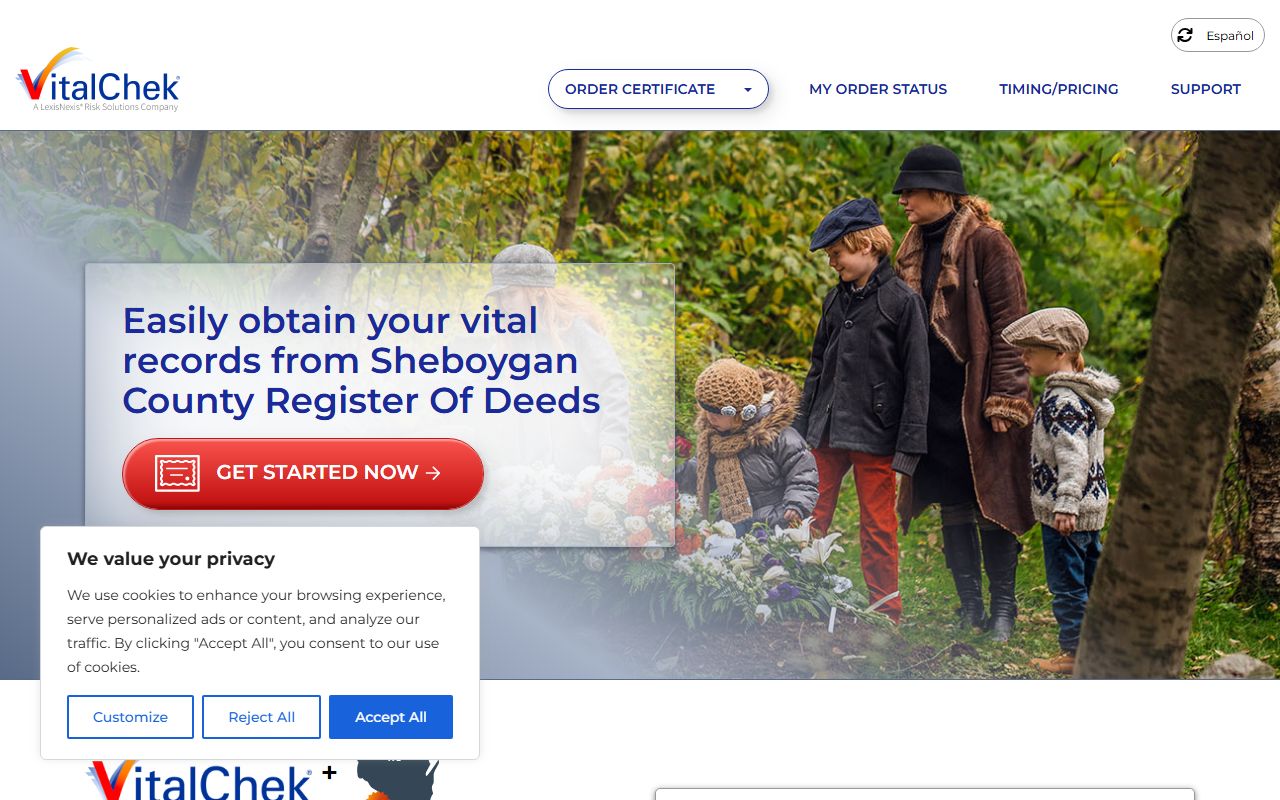
This county image keeps the page tied to the office that actually issues the record, even though the body copy leans on broader Wisconsin sources.
Note: Sheboygan death records are easiest to handle when you know whether the record is modern enough for a county copy or old enough to need history work first.
How To Search Sheboygan Death Records
Search work in Sheboygan starts with the same basics as anywhere else. Name, approximate date, and place of death are the first items to gather. If the death is recent, the county office or state office may be enough. If the death is older, the Wisconsin Historical Society becomes more useful. That is especially true when the county research file is light and you need a historical clue before you order a copy. Sheboygan Death Records work best when you use the county office for the copy and the historical tools for the lead.
The Wisconsin Department of Health Services at DHS Vital Records gives you the statewide fallback. The CDC Wisconsin page at CDC Wisconsin vital records confirms the statewide registration start date and standard certified-copy fee. Those two pages help keep Sheboygan County searches grounded in real statewide rules instead of guesswork. If the death is before 1907, you are more likely dealing with older books or indexes than a modern certificate queue.
The Wisconsin Historical Society pages at CS88 and CS1581 help with older record work. They show how pre-1907 records are indexed and what details may appear in a death record. That matters when you only know a surname or a rough year. A good historical hit can save a lot of time before you request a certified copy.
The WRDA guide at WRDA vital records confirms the common statewide fee pattern. The first copy is $20 and additional copies are $3. That gives you a simple cost baseline before you request anything from the county or state. Even though the county research file is light, the fee structure is the same Wisconsin pattern you will see elsewhere.
- Full name of the decedent
- Approximate year of death
- Sheboygan County or city clue
- Whether you need a certified copy or a research lead
- Payment and ID details for the request
Wisconsin Statute 69.21 explains who can receive certified copies and how older records may be handled differently. Wisconsin Statute 69.18 explains the death record format, including fact-of-death and extended fact-of-death information. Those rules are what separate a basic proof-of-death copy from a more detailed record.
Sheboygan Record History
Sheboygan County history still matters even though the research file is light. The county register of deeds issues the records, but the historical tools help when the record is old or the date is not exact. Pre-1907 Wisconsin records can be uneven, so a county search sometimes needs a state index or historical lookup first. That is why the Wisconsin Historical Society pages are so valuable here. They give you a way to search before you order.
The state registration cutoff in Wisconsin is October 1, 1907, and the CDC page confirms that line. That means older Sheboygan Death Records may need a historical index or archive path instead of a standard modern request. The Historical Society guide at CS88 helps with those older searches, while CS1581 explains what a death record can contain once you have a match.
The county office still fits into that history chain because it issues the certified copy once the record is found. The record trail is not long on county-specific detail in the research, but the county office, the state office, and the historical society together make the search workable. That is enough to build a local page without filling it with unsupported facts.
If you are using Sheboygan County Death Records for family history, the best strategy is simple. Use the county office for the copy, the state office for the fallback, and the historical society for the older clue. That keeps the search grounded and keeps the city and county relationship clear.
Note: In Sheboygan County, the historical society is often the best first stop for records that predate statewide registration.
Copies For Sheboygan Death Records
For a certified copy, the county Register of Deeds is the direct route. The county issues certified copies for events that occurred within Sheboygan County, and the standard Wisconsin fee pattern still applies. The first copy is $20 and additional copies are $3 each when ordered at the same time. That keeps the cost predictable even when the county research file itself is sparse.
The Wisconsin Department of Health Services at DHS Vital Records is the fallback when the county route does not fit the date or the copy type. The WRDA guide at WRDA vital records confirms the standard fee pattern. That helps when you need to budget before you request a copy or when you need more than one certified copy for a family file.
The law matters too. Wisconsin Statute 69.21 explains who can get a certified copy, while Wisconsin Statute 69.18 explains what is inside the death record. Those rules are what separate a basic proof-of-death copy from a more detailed record that may show cause or disposition data.
Sheboygan County Death Records work best when you keep the request narrow and use the county, state, and historical sources in that order. That keeps the process local and avoids overcomplicating a record search that the research file already tells us is thin.
Note: For Sheboygan County death records, the county office and the state office together cover most of the modern copy path.