
Find Grant County Death Records
Grant County death records are best understood as part of the county's certified-copy system. The Register of Deeds issues certified copies of birth, death, and marriage certificates for county events, so a death search often begins with the county office and then shifts to the state or the historical index when the date is older. That approach works well when the person is connected to Grant County but the exact paperwork trail is not obvious. Start with the county role, then use Wisconsin's state rules and historical resources to decide whether you need a recent copy or an older record lead.
Grant County Death Records Office
The Grant County Register of Deeds is the county office that issues certified copies of birth, death, and marriage certificates for county events. That matters because a death record request is not just a name lookup. It is a request that has to fit the county's record system and the state rules that govern certified copies. If the death happened in Grant County, the county office is the natural place to start. If the death happened elsewhere in Wisconsin, the county office may still help you narrow the search before you move to a different filing path.
For the statewide framework behind those county requests, the Wisconsin DHS Vital Records page at Wisconsin DHS Vital Records is the baseline source. It explains how Wisconsin handles certified copies and notes that in-person counter service is closed, which is useful if you expect a walk-up counter. That state reference gives you the rules the county is working under before you mail or file a request.
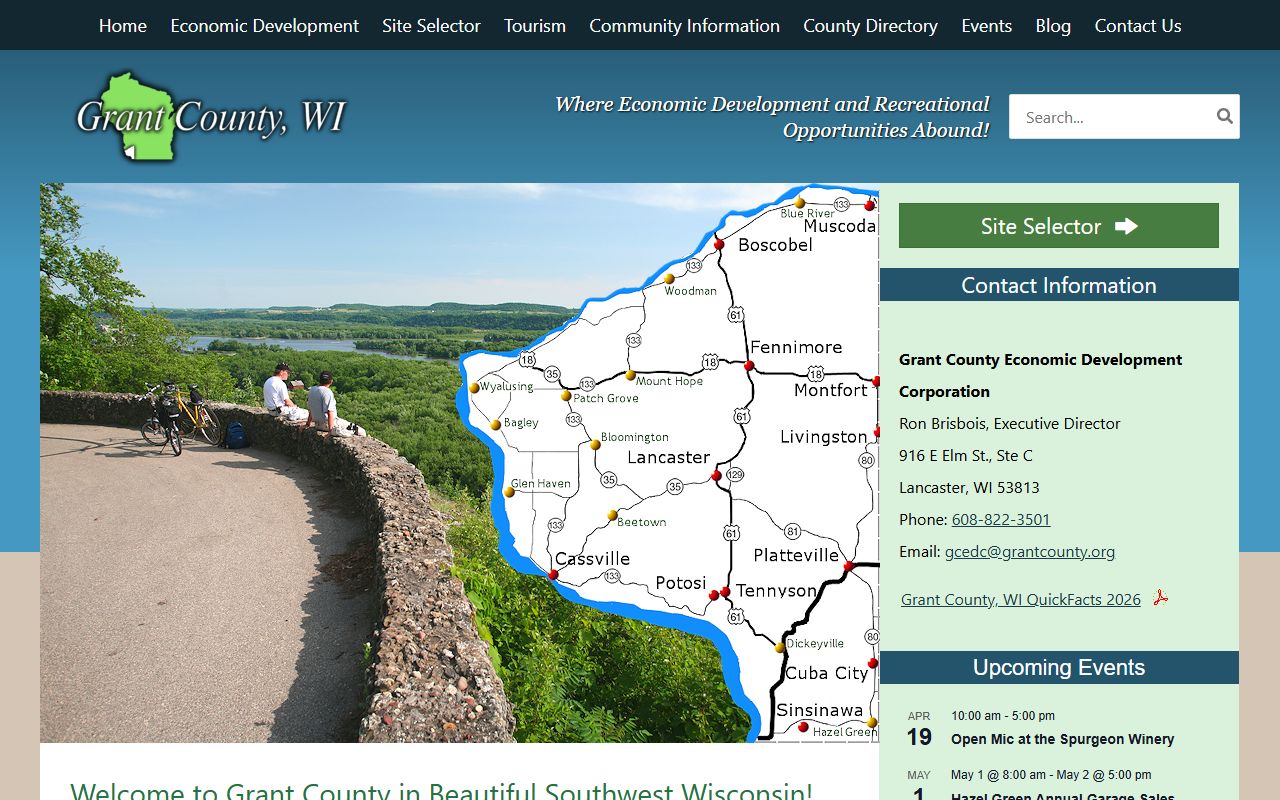
That image fits the office story because Grant County's death records are tied to the Register of Deeds and the broader county government system, not to a general search portal.
Grant County also sits inside Wisconsin's statewide registration rules. The CDC's Wisconsin vital-records page at CDC Wisconsin vital records confirms that statewide registration did not begin until October 1907 and that earlier records can be incomplete. That date matters when you are working with county events because a death that took place in the same year can still fall on the wrong side of the statewide line. A clean search starts with that cutoff in mind.
If your request is tied to a Grant County event, the local office is still the strongest first stop because it is the office that can issue a certified copy once the record is identified. That makes the county office the place where a search becomes a document. The state office and the historical sources help you find the record, but the county office is often the place that turns that finding into the copy you can use.
Search Grant County Death Records
A Grant County death record search works best when you have a full name, a rough year, and some idea of the place where the death happened. If the surname is common, add a spouse name, parent name, or burial clue. The Wisconsin Historical Society's death records research tips at CS1581 show why that matters. The index search can use wildcard characters, the search can be narrowed by year, and the informant line can reveal why two records that look similar are actually different people.
For older Grant County Death Records, the pre-1907 index at CS88 is the first historical tool to check. It helps you locate the index entry that leads to the full record on microfilm or in an archive. That is important because the state office does not publish an online death index, and a county file may not be enough by itself when the date is far back. The historical society fills that gap by showing you where to look next instead of forcing you to guess.
The state office at Wisconsin DHS Vital Records remains the right fallback when the record belongs in the statewide system. The Wisconsin Historical Society and the DHS office solve different parts of the search. The historical society helps you find the record. The DHS office helps you get the certified copy if the record is in the state system. Using both together is often the fastest way to avoid a dead end.
Statewide registration began in October 1907, so Grant County searches that land near that date should be checked carefully. A family story that says a death happened in 1907 may still need a county review and a historical review before you can tell whether the state record exists. The CDC page at CDC Wisconsin vital records makes that cutoff clear, which is why it is worth checking before you order a copy or assume the record has been lost.
The Wisconsin Register of Deeds Association fee guide at WRDA vital records is useful when you are comparing a county request with a state request. It gives you the standard first-copy and additional-copy pattern used across Wisconsin. If you need several certified copies for estate work or family files, that guide keeps the cost plan simple. If you only need one copy, it still gives you a realistic baseline before you file the request.
Grant County Research Notes
Grant County death records are easier to use when you think of them as one layer in a larger record chain. The county office issues certified copies for county events, but the historical trail may reach further back than the current office file. The Wisconsin Historical Society explains that some pre-1907 records were indexed from state copies and that the full record may need to be viewed on microfilm or at an archive. That matters when the family story is good but the exact record date is fuzzy.
The historical society also notes that not every record was forwarded to state officials. In practice, that means a Grant County death record search can require a county clue, a state index check, and a historical review before you get to the certificate. That layered approach is not a problem. It is just the way Wisconsin's older records are organized. Once you know that, the search becomes much less frustrating because you are no longer expecting one office to solve every era.
For name-heavy families, the search tips at Death Records Research Tips are especially helpful. They explain that the informant can vary, the spelling may have changed, and the record can contain enough family detail to distinguish one person from another. If you are tracing a Grant County line with repeating first names, that guidance can save hours. It can also keep you from ordering the wrong certificate because the index entry looked close enough.
The state level still matters even when the county file is strong. The CDC Wisconsin page at CDC Wisconsin vital records shows the October 1907 registration line and the standard certified-copy fee. That is the simplest way to judge whether a grant county event should be handled as a county record, a state record, or a historical record. The county office issues the copy, the state system anchors the modern rules, and the historical tools help you find the older material.
Grant County death records therefore work best in a sequence: county event, county office, state cutoff, and then historical index if needed. That sequence keeps the research specific. It also keeps the request focused on the right office, which is the difference between a fast certified copy and a delayed return letter.
Request Grant County Copies
When the death record is identified, the certified copy request is straightforward. Wisconsin Statute 69.21 explains who can receive certified copies and why direct and tangible interest matters. That is the rule that keeps a death certificate request tied to a real need instead of a casual lookup. If you need the certificate for estate work, probate, or another official purpose, you want the certified copy route rather than a casual index note.
Wisconsin Statute 69.18 explains the structure of the death record itself. The distinction between fact-of-death information and extended fact-of-death information matters because different uses call for different levels of documentation. Knowing that ahead of time helps you decide whether the county copy will answer the question you have, or whether a historical record or a state-certified copy is the better choice.
The fee pattern used throughout Wisconsin is described by the WRDA guide at WRDA vital records. The common structure is $20 for the first certified copy and $3 for each additional copy ordered at the same time. That is a practical detail, not just a pricing note. It helps when you are ordering copies for several family members or for an attorney, because the second and third copies are much cheaper than the first one.
If the county office tells you the request belongs in the state system, the Wisconsin DHS page at Wisconsin DHS Vital Records is the right next step. The state office accepts requests through mail and VitalChek, and it keeps the statewide rules in one place. That is especially useful when the record is not obviously tied to a county event or when the death happened near the 1907 boundary. Grant County Death Records are most efficient when the county, state, and historical sources are used in order rather than all at once.
For a clean order, make sure the name, the approximate year, and the event location are written clearly on the form or request. That prevents delays and makes it more likely the County Register of Deeds can issue the certified copy without a follow-up. In a county system like Grant's, the request is usually easy once the record has been identified and the payment and eligibility rules line up.
For a final check on the county request path, the Wisconsin DHS Vital Records page at Wisconsin DHS Vital Records is the right reference when you want to confirm the current state process before you mail anything.
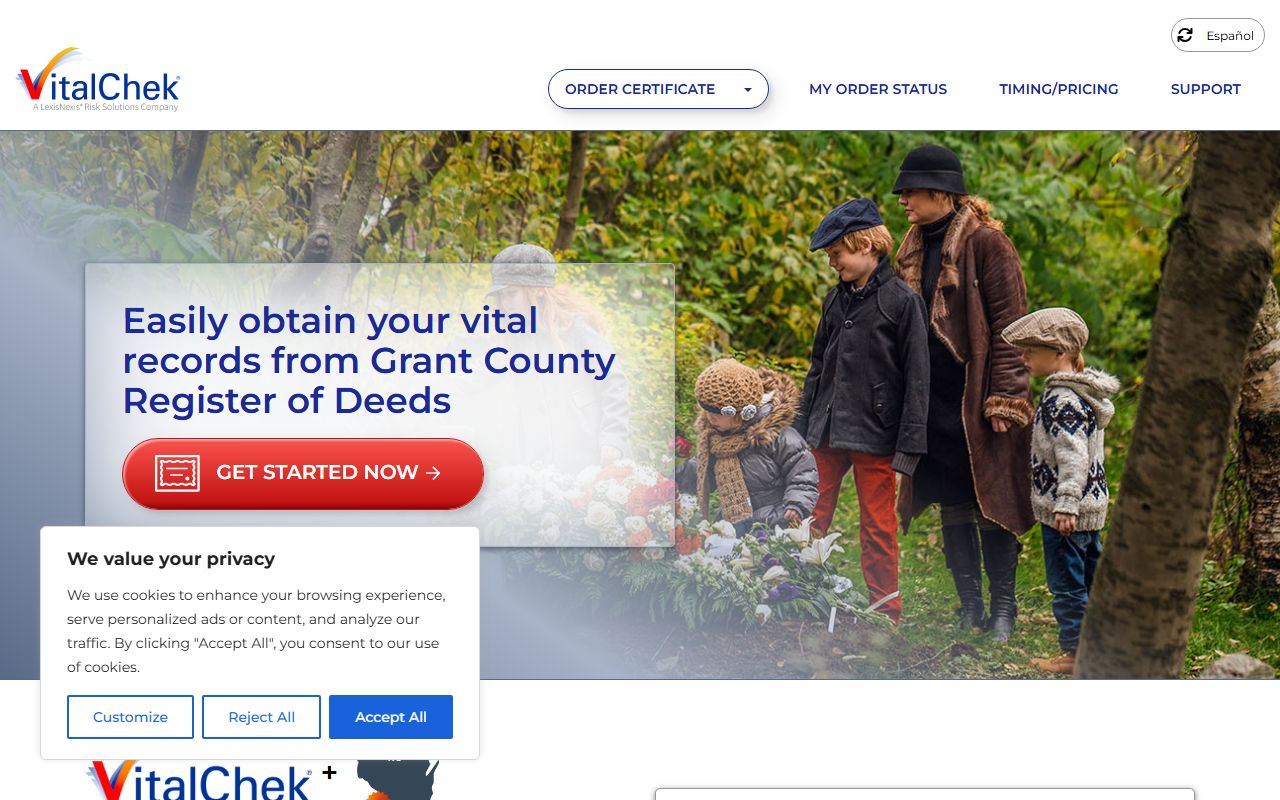
That image fits the copy stage because Grant County's Register of Deeds is the office that issues the certified copies once the record and eligibility rules have been matched.