
Search Lafayette County Death Records
Lafayette County Death Records are easiest to start when you begin with the county Register of Deeds and keep the search tied to the place where the death occurred. Lafayette County issues certified copies of birth, death, and marriage certificates for events that occurred within Lafayette County, Wisconsin, so the local office is the first stop when the record is recent. When the date is not firm, the state index and historical tools can narrow the search before you order anything. That makes the process simpler when you only have a name, a family story, or a rough year.
Lafayette County Death Records Office
The county fact that matters most here is simple. Lafayette County Register of Deeds issues certified copies of Lafayette County birth, death and marriage certificates for events which occurred within Lafayette County, Wisconsin. That means the county office is not just a name on a page. It is the place where a recent request can turn into a certified copy without sending the search off in a dozen directions. For a county with thin local research, that clear office role is useful because it keeps the record trail local, direct, and easy to explain.
The Lafayette County government site at Lafayette County government is the clean local anchor for Lafayette County Death Records.

That source keeps the page tied to the county office that handles the local record path.
The Wisconsin Department of Health Services page at DHS Vital Records is the statewide fallback image source for Lafayette County Death Records.
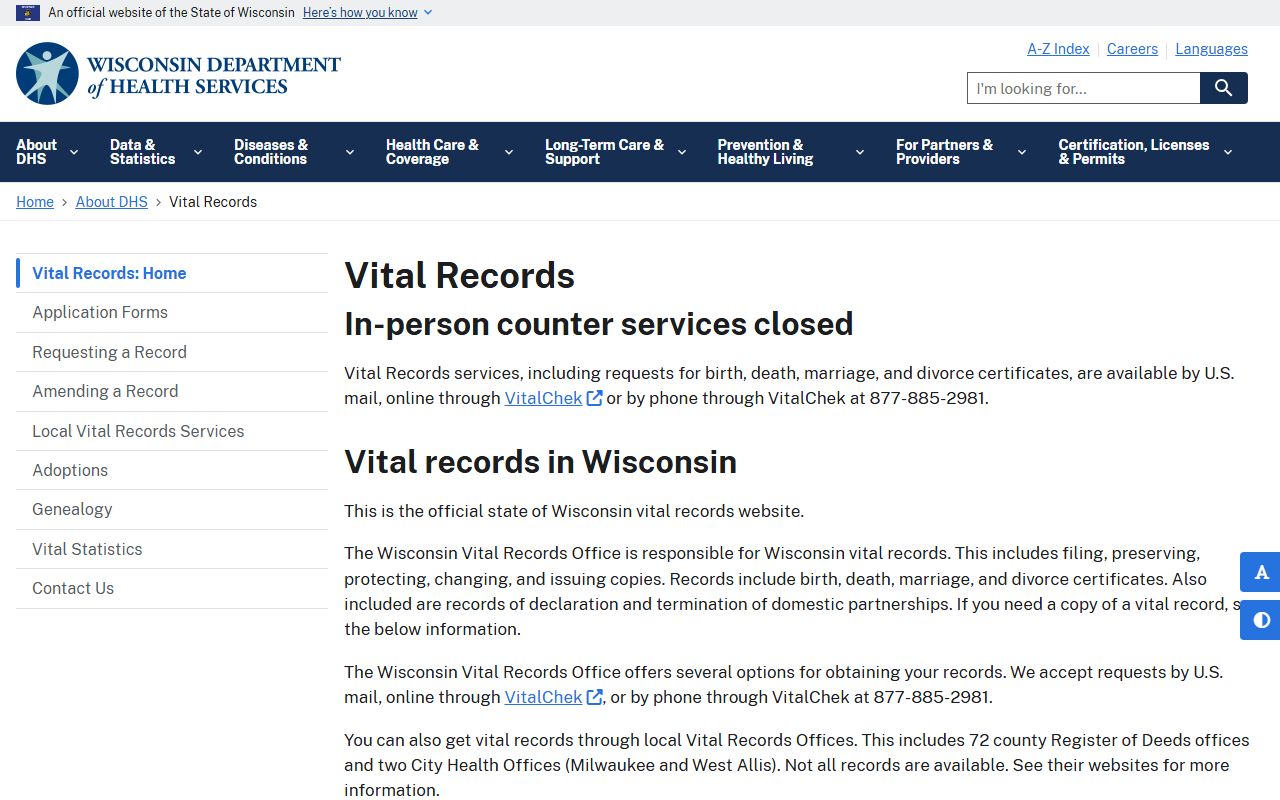
That image gives the page a broader Wisconsin anchor when the county office is not enough on its own.
When a death is recent, the county office is usually the best first step. When the death is older, the county office still matters, but you may need the state vital records office or the historical society before you can choose the right request. That is especially true if the year is fuzzy. A full name, an approximate date, and a county clue can save time and keep the request from drifting into the wrong branch of the record system.
Note: Lafayette County Death Records are easier to manage when the county office, the year, and the reason for the request are clear before you order.
Search Lafayette County Records
The state office is the next place to check when Lafayette County Death Records are not a direct county fit. The Wisconsin Department of Health Services Vital Records page at DHS Vital Records is the statewide starting point for current Wisconsin death certificate requests. It helps when you need the state path instead of the county path, or when the county office tells you that a record belongs elsewhere. In practice, that gives you a simple split. Use the county office for the local copy, then move to the state office if the date or record type points that way.
The CDC Wisconsin page at Where to Write for Wisconsin vital records adds an important time line. It notes that Wisconsin records were not required to be registered with the state until October 1907 and that a limited number of earlier records are still held at the state level. That matters for Lafayette County because an older death may need a historical search before it can become a copy request. If the death is pre-1907, the county office may not be the only place to look.
The Wisconsin Historical Society pre-1907 collection at CS88 and the death research guide at CS1581 work well together. CS88 helps you see what is already indexed before statewide registration took hold. CS1581 helps you think through clues such as spouse, census trail, burial hints, or a rough year when the record itself is not obvious. Those tools are useful in Lafayette County because they let you move from a family story to a narrower record search without guessing blindly.
The Wisconsin Register of Deeds Association page at wrdaonline.org/vitalrecords gives a practical fee baseline. It lists a first certified copy at $20 and each additional copy at $3 when ordered at the same time. That is a useful number when you need more than one certificate for a family file or estate matter. It also shows the standard pattern that many county offices use, which helps you compare the county route with the state route before you submit the request.
Lafayette County Death Records History
Lafayette County Death Records sit inside the wider Wisconsin record system, so the county history is tied to the state history from the start. The county office gives you the local certificate path. The historical society gives you the older index path. Between the two, you can usually find a workable lead even when the death is old or the family memory is vague. That matters in a rural county search because a single clue can decide whether you need a modern copy or a historical lookup first.
The pre-1907 collection at CS88 is especially useful when a death happened before full statewide registration. The research guide at CS1581 then helps you interpret what the record can show. A death entry might point to a spouse, a parent, or a burial place, and those details often lead to the next search step. In Lafayette County, that can be enough to move from a family surname to a record that can actually be ordered.
Wisconsin Statute 69.18 explains the structure of a death record. It separates the fact-of-death portion from the extended fact-of-death portion, which is why some copies carry more detail than others. That distinction matters if you are trying to understand why one request gives you a simple verification while another gives you broader information. The statute gives the record format a legal shape, and that shape is part of the reason older searches can feel incomplete until you know what kind of copy you need.
The county office remains the local endpoint for Lafayette County Death Records, but the history tools tell you how to get there. When a record is easy to place, the county office may be enough. When the record is hidden behind an older index or a poor family memory, the history path helps you identify the right person before you spend time on the wrong certificate.
Copies For Lafayette County Records
Certified copies are the main reason many people search Lafayette County Death Records in the first place. If the death is recent and occurred in the county, the Register of Deeds office is the normal place to ask. If the death is older or the county office directs you to the state system, the Wisconsin Department of Health Services page at DHS Vital Records remains the fallback route. That gives you a clean division of labor. The county office handles the local certificate path, while the state office handles Wisconsin-wide requests that do not fit the local lane.
The fee pattern is straightforward. The Wisconsin Register of Deeds Association page at wrdaonline.org/vitalrecords lists $20 for the first certified copy and $3 for each additional copy ordered at the same time. The CDC Wisconsin page at Where to Write for Wisconsin vital records matches the $20 cost and reinforces the October 1907 registration line. Those two sources work together well because they help you decide whether you need a county-issued copy, a state copy, or a historical search first.
Wisconsin Statute 69.21 governs copies of vital records, while 69.18 explains the death record format itself. Together, they show why some copies are easy to get and others require a tighter request. A well-shaped request usually includes the full name, a probable date, and the county connection. That is enough to keep the office from having to guess which death record you mean.
Note: Lafayette County death record requests move more smoothly when you know whether you need a certified copy, a state fallback, or an older historical lead.